Best-value window materials
The frame material you choose has a big say in both the price you pay upfront and the cost of owning your windows for the next two or three decades. Here is an honest look at uPVC, aluminium and timber — and where each one earns its keep for a UK home.
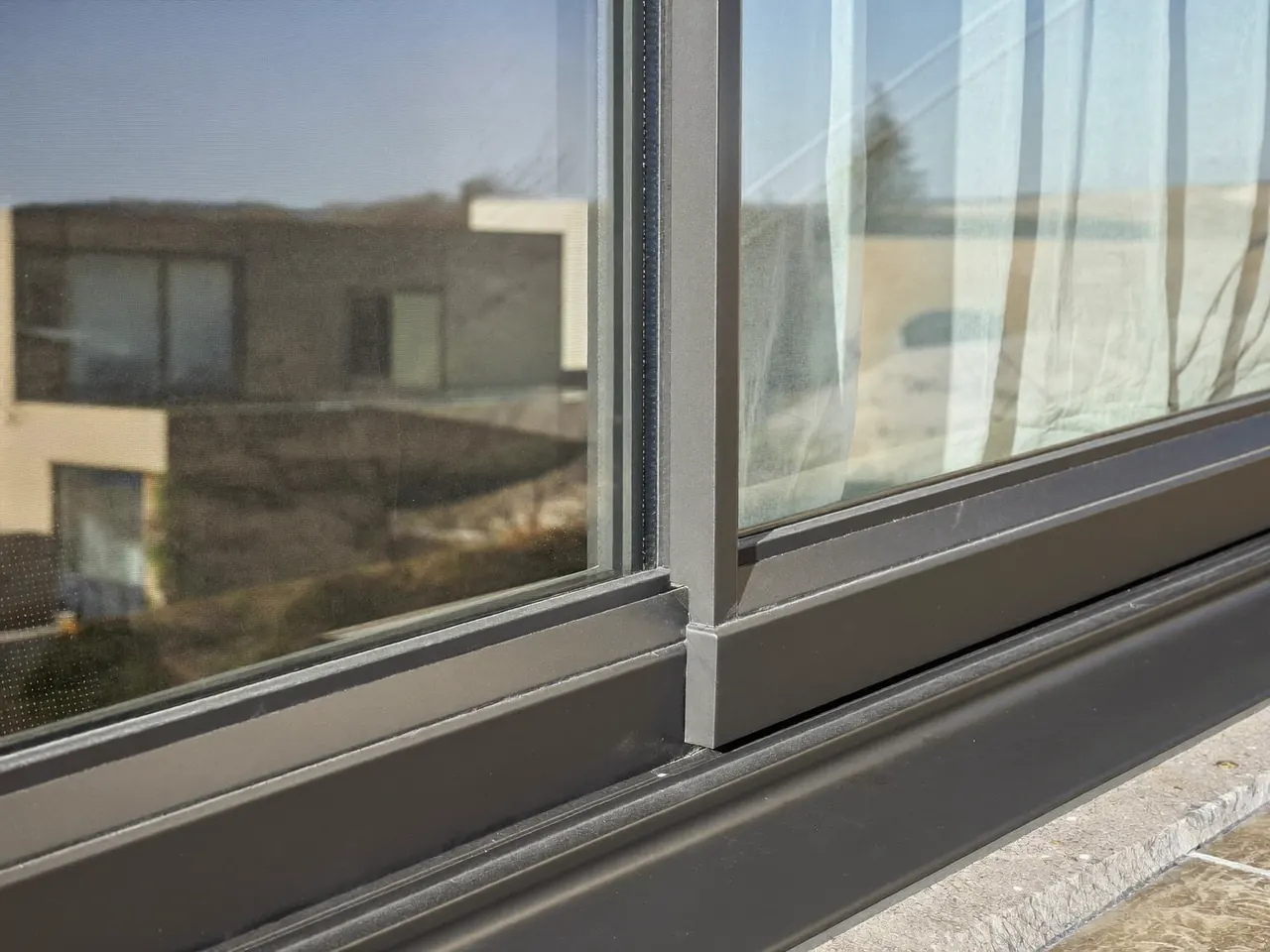
uPVC: the value all-rounder
For most UK homeowners, uPVC is the sensible default and the best value on a straight cost basis. It is the least expensive to buy, needs almost no maintenance beyond an occasional wipe, and modern A-rated units are genuinely efficient. A good uPVC window will comfortably last 20 years or more. The trade-offs are mainly aesthetic: bulkier sightlines than aluminium, and a look that suits some period properties less well. But if your priority is paying less without dropping standards, uPVC is usually where value lives. Compare it against the other options rather than assuming, though — that’s the theme of cheap vs good-value windows.
Aluminium: pay more, get slimmer and stronger
Aluminium costs more than uPVC, but it buys you something real: very slim frames that maximise glass area, excellent strength for large openings, and a crisp, contemporary look. It is extremely durable, doesn’t warp, and powder-coated finishes hold up for decades. For big picture windows, sliding doors or a modern extension, aluminium can be the best value precisely because a chunkier material would spoil the effect. For a standard semi where the frames are modest, the premium may be harder to justify on value grounds alone.
Not sure which suits your home?
A local installer can advise on the survey. Get free, no-obligation quotes to compare materials and prices.
Get my best-value quotes →Timber: character with a maintenance bill
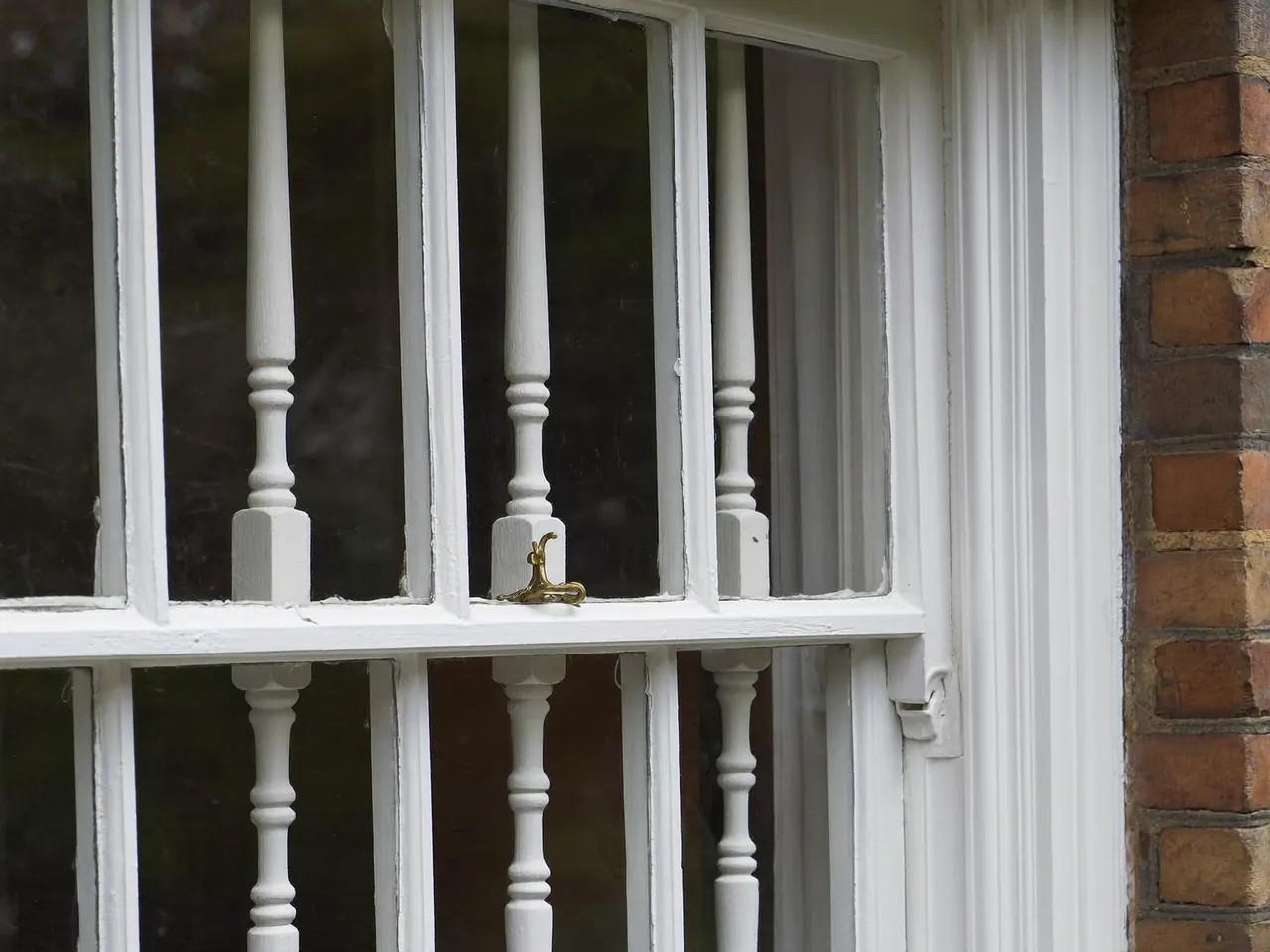
Timber is the traditional choice and, in a period or conservation-area property, often the right one — sometimes the only permitted one. Modern engineered timber windows are warm, beautiful and, if looked after, very long-lived. The catch is upkeep: timber needs repainting or re-oiling every few years, and neglect shortens its life quickly. On pure spend-per-year, timber rarely beats uPVC, but on kerb appeal and authenticity in the right house, it can add value that a plastic frame never could. Judge it on the whole picture, not just the sticker price.
Where the money really goes
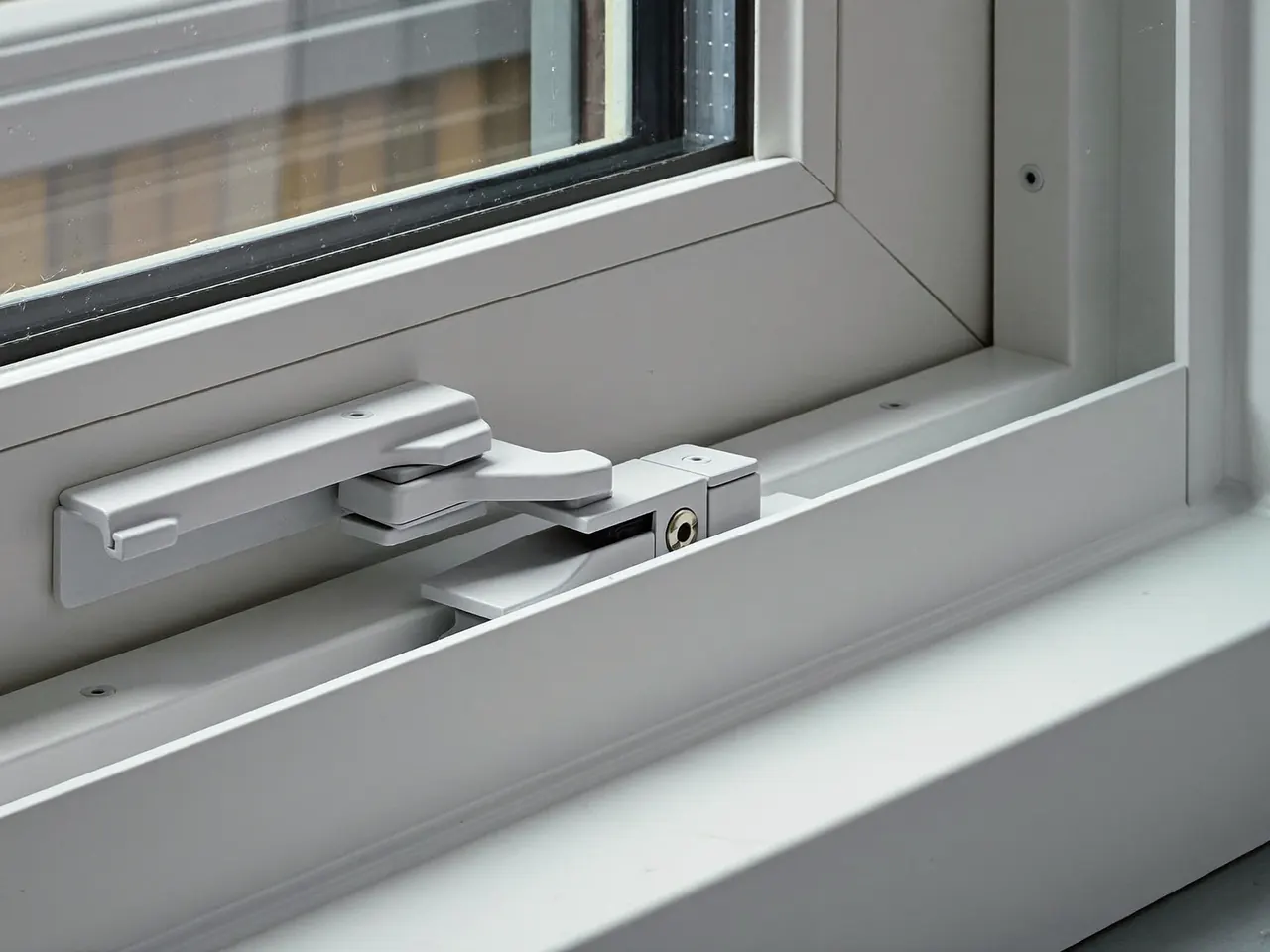
Whichever frame you pick, remember that the glass and the fitting matter as much as the material. A-rated double glazing, a warm-edge spacer bar and a proper, sealed installation do more for comfort and bills than an exotic frame with a lazy fit behind it. Don’t let a showroom steer all your budget into the frame and skimp on the parts you can’t see. Our guide on how to save on new windows covers how to keep the spec balanced.
The value verdict
There is no single “best” material — only the best value for your home, your style and how long you plan to stay. uPVC wins on cost for most households; aluminium earns its premium on large or modern openings; timber is worth it where character counts and you’ll keep up the maintenance. Decide what matters, then compare like-for-like quotes so you pay a fair price for whichever you choose.
Price up your preferred material
Compare free, no-obligation quotes from vetted, accredited local installers.
Start my free comparison →